Category Archives: A Pocket of Resistance

A potpourri of posts on a variety of topics, in other words, what’s currently on my mind.

Blythe: Birthday Memories of a dad


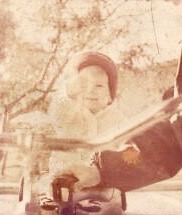
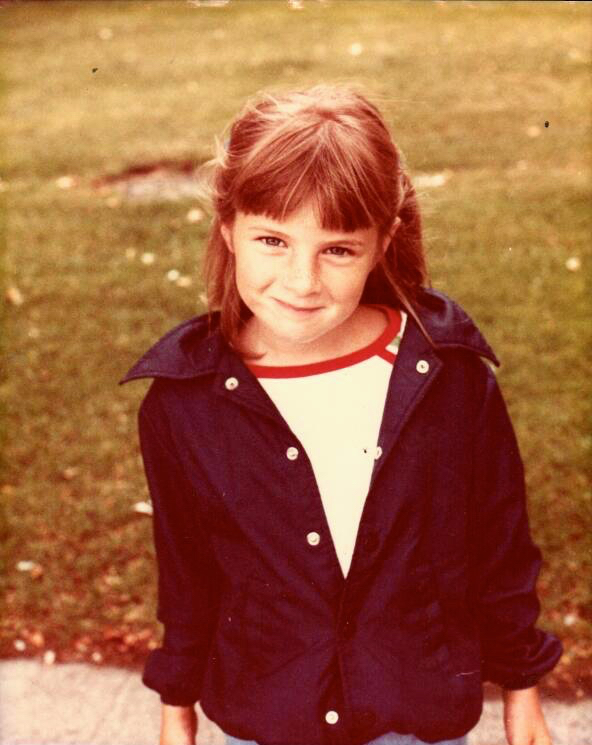
Yesterday, i posted a photo of her when she was young, probably three.

As usual with my daughters, i felt as if i hadn’t done enough to celebrate her birthday.

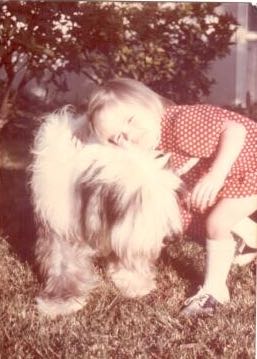
So i decided i would post some of my favorite photos of her. It’s not complete. There are a bunch hidden somewhere in the piles amassed over forty-five years. So i’ll just go with these.

This began this morning when i was listing all of the things i planned to get done today. Except for agreeing to go to Costco with Maureen, nada. Nada was done. You see, this was a very lengthy, somewhat maudlin piece, so it has now been edited. The photos are more than half gone. The text is considerably less than what it was originally.

Blythe Jewell.

She was born in Watertown, New York. In fact, she was the reason i asked for and was awarded a return to active Naval service. i wanted to be sure we had enough to provide for her growing up well with security.

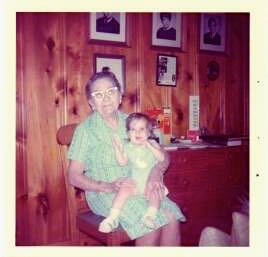
This was a wonderful relationship. Granny and Blythe. When Blythe was seven or eight and Granny was near the end, she had become somewhat hostile, but never with Blythe. Blythe was the only one who Granny treated with love all of the time. Sometimes i see Granny’s grit in Blythe.


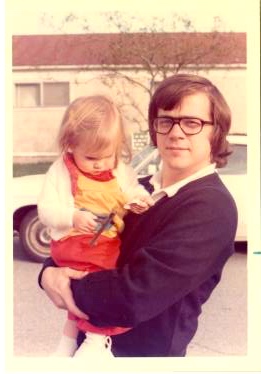
Brother Joe would come down from Boston and grad school while we were in the Navy’s Fort Adams housing on Newport Bay. It was always fun to watch these two together.


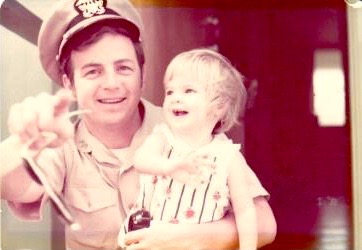
This one is an early favorite, 1974. It was in one of the last cabins for officers at Fort DeRussey on Waikiki. We walked across a parade field and a street to get to the beach. i was going to my ship, the USS Hollister (DD 788) when her mother took this. the cabins have given way to the homogenization of Honolulu’s tourist district. Now the Navy has a huge high rise resort on the beach. We stayed there also when she was nine. 

She was their first grandchild. The relationship was close, closer even than most. She would stay with them for extended times every summer after she began school. It warms my heart to see them with her.


We were in San Pedro, my first West Coast tour. We were big Texas A&M fans, and her grandfather, Col. James Lynch, Aggie alumnus, and Bettie gave her this outfit. i have had the photo on every one of my desks since then. Good luck, i think, but it also allowed to look at her every morning and smile.


Lady Snooks of Joy and Blythe. 1975. Pacific Beach.


1978. Texas A&M. There are several of her with Reveille, the Aggie mascot, a beautiful collie, but i like this one better.


There was once this heaven on earth for all of us. No one enjoyed it more than Blythe,and no one enjoyed Blythe being there on Barton’s Creek more than Grandma and Grandpa.


1982. Evan Fraser and Sarah at a lake on Orcas Island, Washington. It was a magic trip.


This is the essence of Blythe to her father. Seattle, 1982. We spent a day there and traveled to Victoria where we stayed in the Empress Hotel and Blythe watched Monte Python’s “Search for the Holy Grail” for the first time.


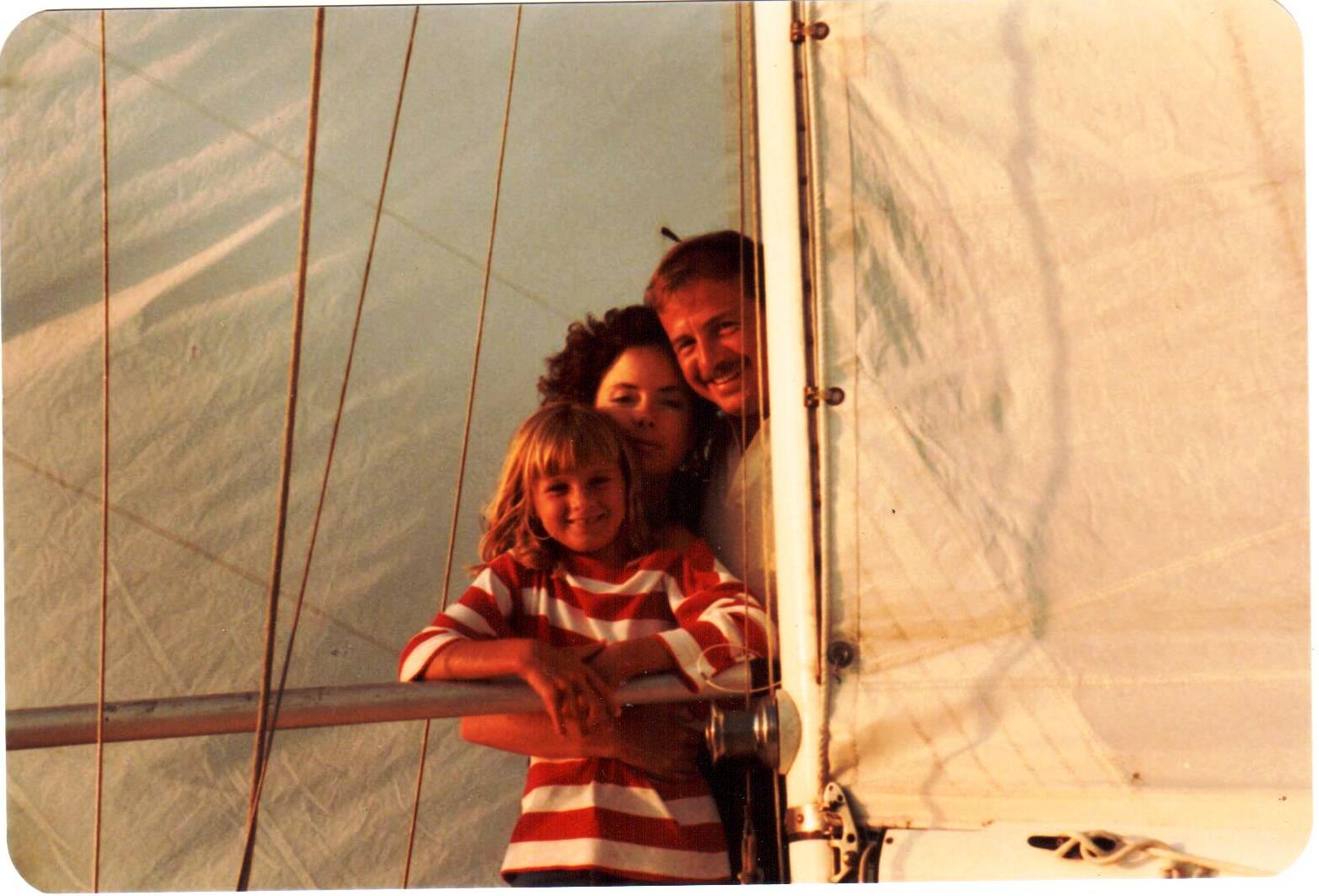
Then Maureen joined us. This is 1982, San Diego Bay on JD’s sailboat. i’ve always been thrilled Maureen truly considers Blythe her daughter.


The Jewell’s have always had a place for family. Lebanon, 1984, Thanksgiving. Tommy Duff of Signal Mountain, and Kate Jewell from Vermont. Spread out, but still close.


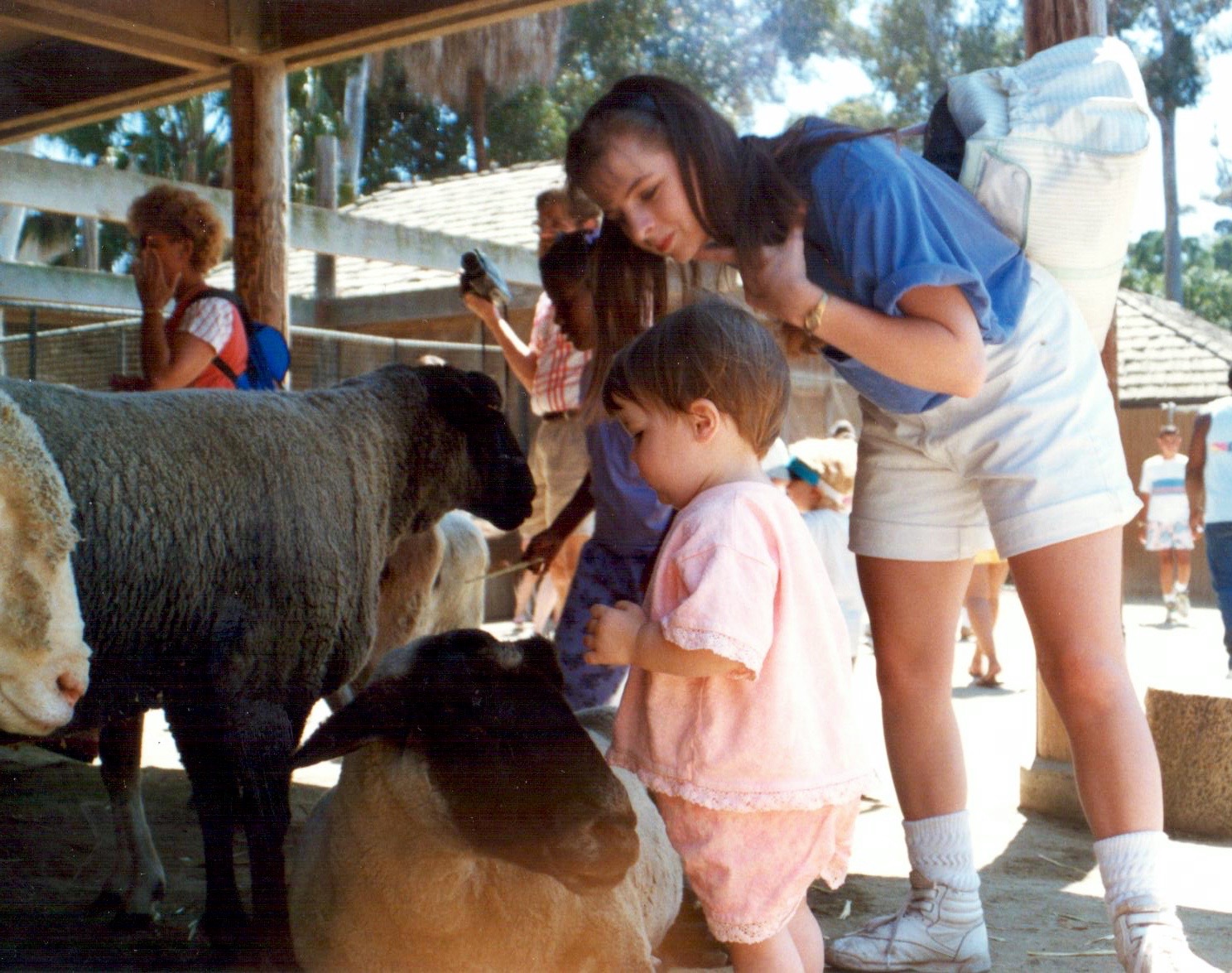
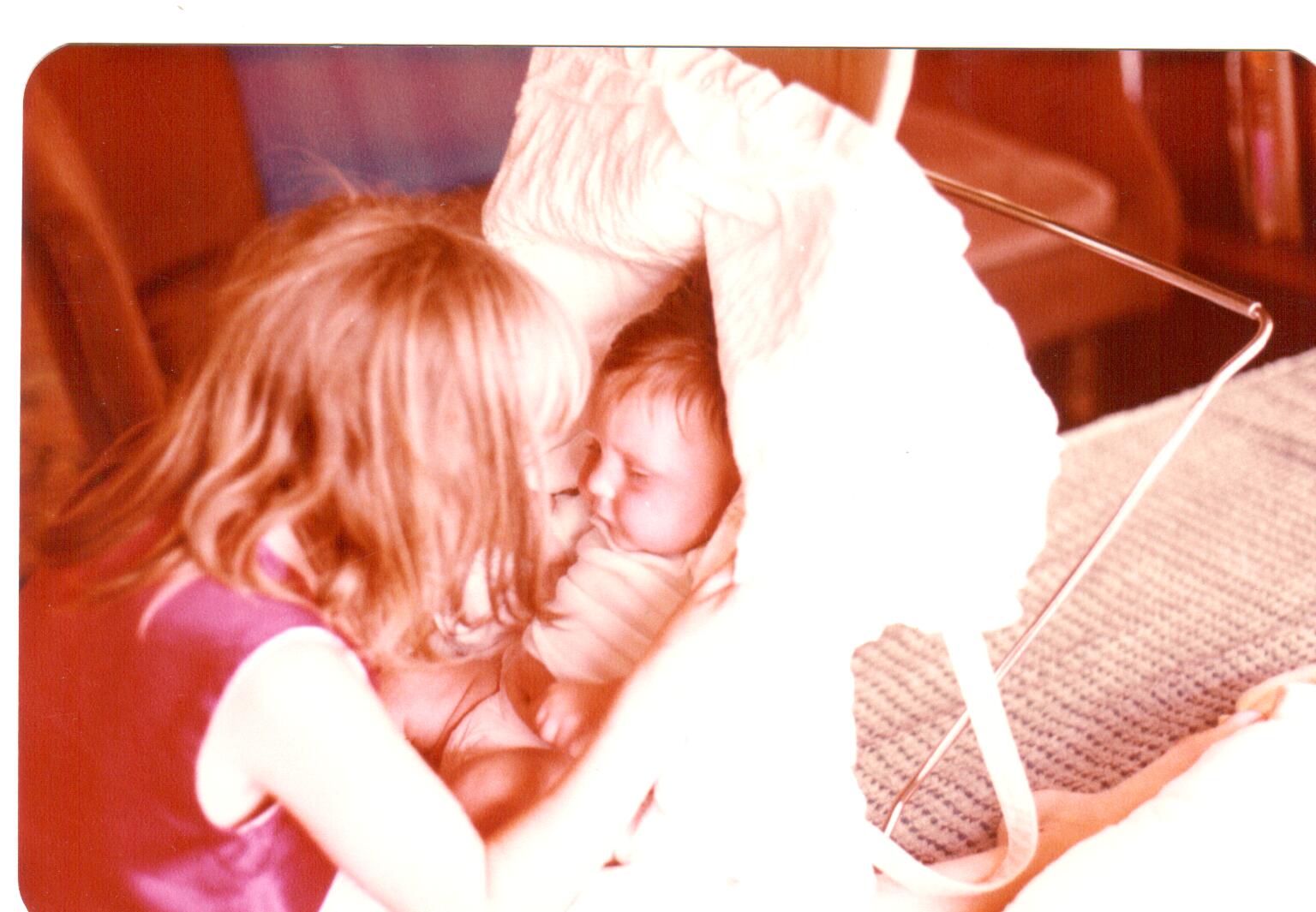
Then there was a sister. Blythe and Sarah at the petting zoo at the San Diego Zoo, 1991.


Then there was Jason. i am so glad they met each other. Austin, 1996.


Then along came Sam. Thanksgiving. 2007.


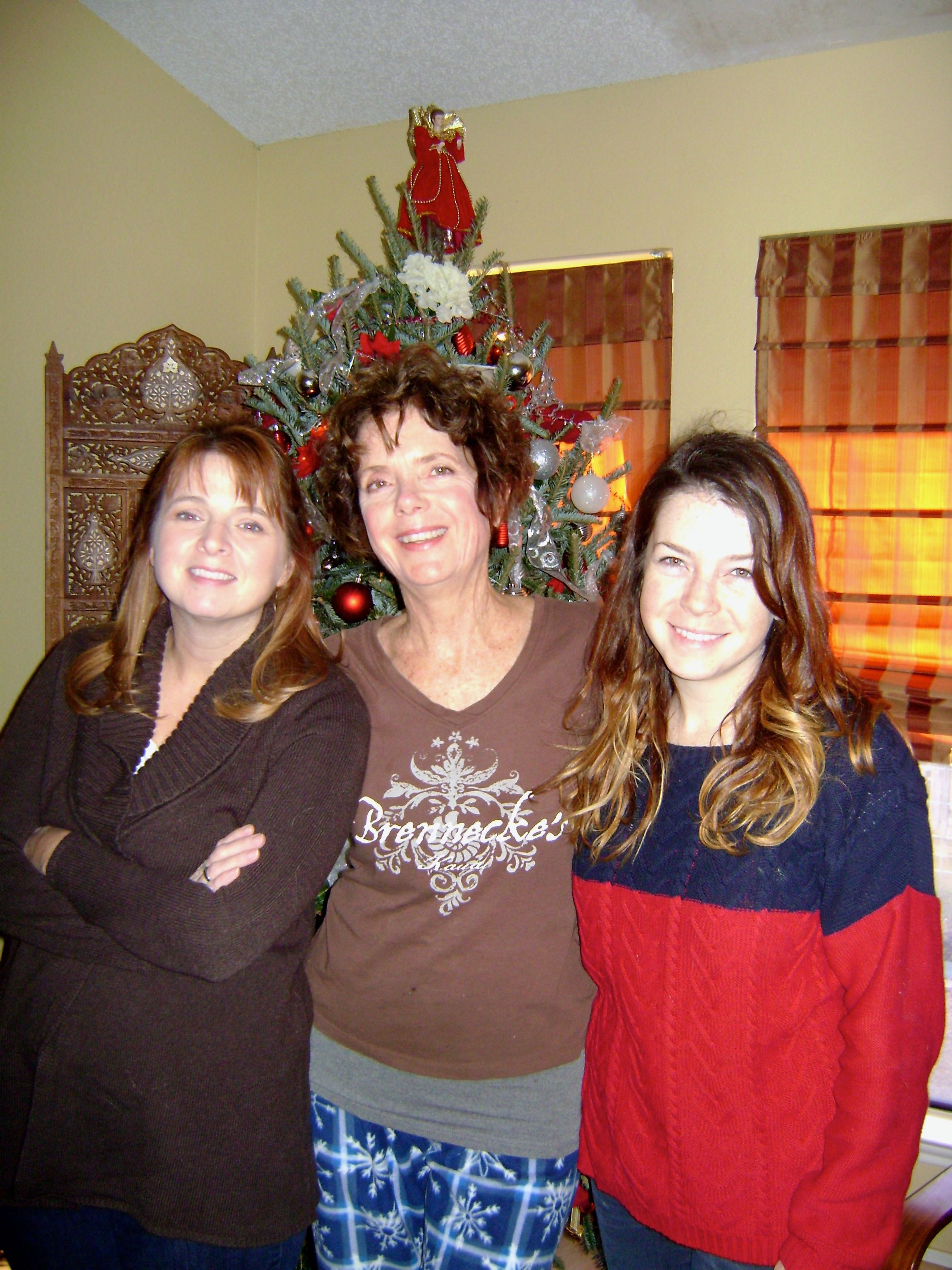
Christmas. 2014. i’m a lucky man to have these three in my life.


What more can i say.

Except offer another birthday wish to a beautiful daughter and thank her (and Jason) for an incredible grandson.

Memories of a Man

1944.
Even in war, there was bureaucracy and paperwork, in “triplicate” no less. Perhaps that was a good sign. It was even complicated. He had gone to boot camp at Parris Island, South Carolina. It remains a Marine Recruit Depot, much like the one here in San Diego. i’m guessing the Seabees went there rather than Navy recruit training  because they would be ashore, not on ships. From there, he went to Davisville, Rhode Island specifically for Seabee training. Through his enlistment agreement, he completed the training as a second class petty officer in his specialty.
After roughly four months in the combat zone in the southwest Pacific, the Navy gave him a new rating designation. It was a “casual draft.” i wondered what that meant. The new designation allowed him to do more mechanical work legally. i suspect he had been doing a much wider field of work than his original designation allowed ever since his liberty ship arrived at Espiritu Santo, the largest island in the nation of Vanuatu in July.

1945.
It is a photo smaller than usual 1¾ x 2¾ inches. Without the border, it’s even smaller. You cannot really make out who he is other than a sailor in a dixie cup and dungarees on a beach. He sent it home to her. He is even standing at attention. A man is walking or running in the surf behind him. It’s the Philippines, probably soon after they arrived on D+4. It depicts more than a Seabee. It depicts he’s still okay. It doesn’t say he will be home soon, but he would be back in Tennessee in several months. But no, the photo doesn’t say that. It says he is in a land far away in a war. i wonder if she could really comprehend that part of the message the photo conveyed.

1975.
There are two special moments in my Navy career when he was with me. The first was a day of multiple exercises aboard the USS Stephen B. Luce (DLG 7) out of Newport, Rhode Island on beautiful spring day. Commander Dick Butts suggested he ride as a guest. It was a day long of Navy crazy. i was the sea detail and GQ OOD. He got to watch me on the bridge doing my thing. i was the ASW Officer. He got to go down into the bowels in Underwater Battery Plot, and in the dark, listen to the sonar ping, watch the plotting monitor track the submarine, hear my order to simulate firing an Anti-Submarine Rocket. When we crossed the brow at the end, he said to me, “Son, now i understand why you wanted to return to the Navy.”

The second time is contained in this card they gave him. “Tiger Cruise” they call it. He met the USS Anchorage (LSD 36) in Pearl. He rode back with a bunch of other “Tigers.” He stood watches next to me. He wandered the ship talking mostly to my deck hands. Art Wright, the commanding officer, gave him a plaque. It hung by his work bench until he was gone. It was a special time: two Navy men, father and son, understanding each other.

i miss him.

Thoughts About Folks Gone

This was to be a quiet day. Our annual trip for the Fourth of July Parade around Sonoma Plaza did not happen this year. Traveling to be with family or friends just proved too difficult. We decided we would go to the beach but then considered the crowds and the parking (old age wussiness) and opted for a quiet day.

As i write, Maureen is at yoga. i may do a walk/run (mostly walk) and exercise. We will sit outside in the shade. i will take a nap, Maureen maybe. i will grill burgers tonight, and we will watch the Padres play the Indians unless it becomes unbearable. And some time today, i will walk to the top of the hill and reflect on freedom, what it means and what it costs. And i will be thankful. That’s it.

After Maureen left and i had read my emails and checked Facebook, i decided to continue my organization and clean out efforts in my office. Writing this book spurred the efforts.

Then i ran across the box i had placed on the book shelf to get it out of the way until i could address it properly. There are probably a hundred of these boxes of various sizes somewhere in this office or the garage. This one came from Mama Jewell through my Aunt Naomi Jewell Martin through her son and my cousin Maxwell Martin through my daddy to me. It is 8 1/2 by 10 1/2 inches and 3/4 inch deep.

It was in a bigger box with other “memorabilia.” Like many boxes of old stuff passed along through the family, the stuff in it seemed to have been begun for a specific purpose but other things ended up being included. It appears this box was originally used by my maternal grandmother, Carrie Myrtle Jewell, for holding letters and cards after she filled in a cloth covered “post card” album.

i started going through it but confess i would occasionally lose it and have to stop with a deep breath.

There was only one she wrote. i’m not sure how it got in there. It was a four-page letter to her sister-in-law, Vera, or from the envelope address Mrs. W. A. Orrand in Murfreesboro. It was dated two months to the day before she died at age 70. Her handwriting is shaky as old folks age and become more infirmed. She writes about surprise another relative died and how she had to learn from The Lebanon Democrat, chastising Vera for not letting her know sooner, but admitting she was too ill to go the funeral in Nashville. She tells of it being a “real pretty day” with the sun shining, and how that makes her think of “Argless” staying busy hauling wood.

That’s one stop for breath. i tried to remember her more completely. i was seven when she died, but i remember her smallness, her white hair, her glasses, her smile, and how much she cared for me.

i remembered her calling my other grandmother across the street in autumn of the previous year. Mother had gone to do some part-time work and Granny was keeping the three children at our house. i was walking home from school with a group of schoolmates. Another boy from my first grade class, Ronnie Collinsworth, picked a fight with me when we got to our front yard. i won the fight and Ronnie ran home up the street crying. Mama Jewell called Granny to tell her she had watched it all and Ronnie had started the fight and i won fairly and squarely and shouldn’t be punished.

i remember how warm she was when she held me.

I tried to remember more. i tried to remember what she thought, what she was really like. i mean she got married in Statesville, a village southeast of Lebanon, at seventeen, bore seven children (the last passing away just a month after her birth) over twenty-four years, and cooking on a wood-fired stove for a great portion of her life.

i couldn’t remember more. There’s no one who can tell me more about her. It’s all in those cards, letters, and photographs. i took a deep breath.

The second stop for breath was for something even less tangible. It had been thrown into the box at some time during some move, obviously not part of the intended purpose of the box. It was my grandfather’s last wallet and a few more personal things.

My grandfather’s wallet did not contain a driver’s license in the pocket provided. Hiram Culley Jewell contracted tuberculosis around 1933-1934 requiring my father to bypass his senior high school year to help support the family. My grandfather passed away in 1939. His last public appearance was at my parents’ wedding in July 1938. Tennessee did not have a law requiring a driver’s license until 1937  — since my father was an well-known automobile mechanic and had been driving since he was 10 (1924), the DMV or whatever agency it was back then, didn’t require him to take the test — and didn’t have an exam until 1938. Hiram Culley never drove after they required the license.

There were newspaper clippings folded inside. i searched for a name on the news articles that might give me a clue why he kept the clippings. Then i turned them over to find ads. One was a Greyhound bus ad touting how cheap and fast travel by bus was compared to driving ($3.55 round trip between Nashville and Chattanooga, among 19 destinations listed). The other was an ad from Don Corrado Romano appealing people to send old coins into his coin shop in Nantucket, MA for the possibility of being given up to $5000 for “old money.”

There was a slip of paper noting his being a registered voter in the 10th District of Wilson County. There was also his social security card issued “4/23/37.” That was the first year registration and payment into social security was required (Roosevelt signed the Social Security Act into law in 1935). Written on the attached slip was: “Gulf Red Cedar Co. of Va., W. Spring Street, Lebanon, Tenn.” The family home was on West Spring Street, but in 1937 i’m pretty sure there were no businesses. Why would that be attached to Culley’s social security card?

There was a card the size of a business card faded brown. “Adult Season Ticket, L.H.S. Football 1934, Name Culley Jewell.” Below was “I.C.P.” Along the side was “5 games.” What did “I.C.P.” stand for, i wondered. Was that the only season my father played football for one play or was that the previous year?  Or was Culley just a football fan like my father and went to all of the games? There was no one i could ask.

This was a deeper breath. i didn’t know either of my grandfathers. They both died before i was born. i think often of what they were like, how they thought about things, how time and place might have shaped their thoughts compared to mine. The papers only made me thirst more to know them, something that will never happen.

Folded next to the wallet were two papers the size of a check. They were notification of payment. The papers were not related to my grandfather’s wallet. Both papers were dated April 28, 1951, ten days after Carrie Myrtle Jewell passed away. Life and Casualty Insurance Company had sent a check for $203 to Ligon and Bobo Funeral Home. i assume the paperwork was to inform my family this was part of the payment for the funeral. Again, there no one to ask.

It is an empty feeling, not knowing. i wonder how 66 years after i am gone what pieces of paper will remain, who might wonder what i was like.

i thought of throwing all of the box away. No one except me would have known. If it were mine, sixty-six plus years from now, i would be fine with someone tossing my stuff. But i can’t do it. i will rebundle it and pass it along, perhaps dividing it up. There are a lot of family coming from Hiram Culley and Carrie Myrtle Orrand Jewell: six children, a number i can’t count of grandchildren, great grandchildren, and even great great grandchildren who might be interested.

i close it all up, put it all back in the box and put it in the plastic bin marked “Memorabilia, Various.”

Yes, it still seems sad to me.

A Politically Incorrect Sea Story

Recognizing our penchant to get offended by just about anything, i want to preface this entry with my assessment i really am not prejudice against any race of people, especially the Japanese. Having spent some significant time there in the 1970’s, i found their culture and their customs wonderful. For those that don’t know, i was very close to becoming engaged to a beautiful Japanese woman when i did some really stupid things that ruined the relationship.

i also enjoy making fun and finding humor in many situations, even those that are embarrassing to me. So i hope everyone who reads this will take it as i intended: funny, not malicious, and certainly not racist.

This morning on the front page of the San Diego Union-Tribune, a feature story with two photos caught my eye:

http://enewspaper.sandiegouniontribune.com/desktop/sdut/default.aspx?pubid=ee84df93-f3c1-463c-a82f-1ab095a198ca

It is the story of the son of a US Army Air Corps officer in WWII returning personal items to the Japanese family of a pilot who died during the attack on Pearl Harbor. It is a heartwarming story of grace and forgiveness.

It also brought to mind one of my favorite sea stories involving two Navy officers in 1975. One was me. I was a lieutenant in the billet of First Lieutenant on the USS Anchorage (LSD 36). The other officer was Commander Arthur St. Clair Wright, the commanding officer of the Anchorage. We had developed a bond through the constant relationship we had on the ship.

The first lieutenant on a landing ship dock is a spectacular job if you like to work. i was in charge of well deck operations, boat operations, flight operations, weapons, cargo loads and unloads, troop embarkations and debarkations, all deck operations, and maintenance of all weather deck spaces. In addition, i was the sea detail and general quarters officer of the deck. i loved every minute of it.

Art was one of the three best commanding officers under whom i served. He was a Naval Academy graduate and had a great career at the time. He had a rich heritage in the Navy and Annapolis. He was robust; he was smart; and he thought out of the box. He had a previous tour in Sasebo, Japan as commanding officer of an ocean going minesweeper. During that tour, he immersed himself into the Japanese culture.

The Anchorage was in Sasebo for a month when a stern gate default required major maintenance. There were three distinct party districts in Sasebo. There was “sailor town,” an area for Navy sailors, stuffed with small bars and diners, a red light district of high order. There was “merchant town,” a smaller but perhaps even rougher area for merchant seamen. Finally, there was “sake town,” the area with restaurants and nightclubs for the Japanese populace. Art always went to sake town. On several occasions, he took me to his favorite sushi bars, and to this day, my dining there, picking the fresh seafood off the ice in the glass cases and then watching the sushi chefs perform their magic carving, remains one of my all time best recollections of dining.

Art had been to sake town one evening when i had the on-board duty as command duty officer. The next morning when i had reported to his stateroom for some order of business, he interrupted me to tell me he and i were going out that night, that he had found a place he knew i would like.

That evening, he and i went to sake town. As the sun was setting, we ate at one of those wonderful sushi bars. Then we walked to the real night life section where there were themed bars and entertainment venues. Next to one night club where the exterior resembled the fuselage of a 747, were stairs up to a second story establishment. As we walked up the stairs, a man dressed in a Japanese sailor uniform announced us “on board” with a bullhorn. Entering, we found the place to resemble the interior compartment of a ship complete with portholes looking out. There were about twenty tables toward the back, full of Japanese couples. The waitresses, including the bartenders wore mini-skirt versions of Japanese sailor outfits.

We sat at the bar and ordered our favorite Kirin Beer.

Art could drink beer, and he did not like to wait in between them. So he would order two, put one in his back pocket and drink the other. When through with the first one, he would order another, pull the second one out of his pocket. When the next beer arrived, he would put it in his back pocket and repeat the process. We were on our second beers, when Art directed me to look behind me.

There was a photography area set up with several sliding panels for backgrounds. They included a WWII Japanese zero, a Japanese tank, and one where it appeared you were standing on the bow of a Japanese battleship. To the side was a rack of clothes. Each was a different uniform of the military services the Japanese wore during World War II. i loved it. Art and i decided we would get the Anchorage officers to come down and everyone get their photos taken in one of those uniforms behind one of those backdrops. Then we would hang those photos in the wardroom.

As we returned to our beers, an older Japanese man and his date sat down next to me. He introduced himself to me. He told me he owned a tailor shop at the beginning of the large downtown mall. I realized it was the shop where i had a suit, sports coat, and a wool “camel hair” overcoat tailored for me five years earlier. We had a nice conversation about our past meeting.

As we were talking, the bartenders had put some marching band music records on the stereo. All of the Japanese patrons began singing boisterously and waving their arms to the tempo of the music. i asked my new friend what was the music about.

“They are spirit songs,” he answered.

“Spirit songs,” i questioned, “What are they.”

“They are the songs we sang and our sailors, pilots, and soldiers sang as they prepared for battle.”

Interested, but a bit wary since Art and i were the only Americans in the place, i decided to not pursue that subject.

Art and i returned to our Kirins.

My new friend leaned over to me and spoke again. “You know, my brother was a kamikaze pilot during the war.”

“Really!” i responded, not exactly, knowing how to react, but curious.

“Yes,” he confirmed, “But he lived through it.”

“What?” Art, overhearing the conversation, “What did you say?”

My friend repeated, “My brother was a kamikaze pilot during the war, but he lived through it.”

Art stared at his beer, contemplating for a second or two, then replied.

“Must not have been a very good one.”

The patrons stopped singing. We quickly paid our bill and left.

We never did take the wardroom back for those pictures.


A Memory Hidden in the Fanfare

It is easy to forget, hidden between the folderol and celebration of the holiday. But we don’t forget.

Saturday, July 2, 1938. They were married. They made it to the seventy-fifth year of celebrating their anniversary. Forty-three days later, he left her. Nine months later, she joined him. Today would have been the seventy-ninth such anniversary. i’m betting they are celebrating. Together.

It was a long romance. She pointed him out to her mother as the man she was going to marry. He was in bib-jeans walking home southward toward the square on North Cumberland. It was 1932. He was 18. She was 15. They were in both juniors at Lebanon High School. He had been delayed three years when yellow fever nearly killed him and put him at home until he recovered.

The photo above was in 1936, two years after he dropped out of high school to help support his family when his father could no longer work after contracting tuberculosis. They, with family and friends, went to the Smokies, the go-to place for Lebanon folks back then. Her mother went with them. No hanky-panky back then.

She had an offer to play basketball for the Nashville Business College’s women’s AAU team after she graduated from LHS in 1935. She turned them down. Later she revealed to her daughter the primary reason was she feared another of several women who had eyes on him might steal him away while she was off playing basketball.

They were to be married outside the First Methodist Church but had to move it inside when it rained. Her grandfather, a former circuit rider and retired bishop performed the ceremony. It was the last event his father attended before passing away seven months later.

He returned to work as a mechanic making $13.00 a week. She returned to her job as a teller for Commerce Union Bank earning $22.00 a month. They made it through life never rich in money terms, but never really wanting either. They saved. They worked. They did pretty much everything they wanted to do.

Jimmy and Estelle Jewell had the kind of marriage we all should have. They fit like hand and glove. They loved and they understood each other so they loved some more. Their love spilled over to everyone in their family. In fact, to everyone they met. It was palpable. In fact, it still exists because it spilled over to everyone who knew them.

I could go on and on, but it’s not necessary.

But i will tell you, if you are going to love, you should love like them. Forever. Seventy-nine years and counting.